

Elegance Endures: The Timeless Allure and Enduring Power of Old Money
In a world often defined by rapid change and visible displays of newly acquired wealth, the concept of “old money” persists as a symbol of enduring sophistication and quiet influence. It represents a different paradigm, one built not on overnight success or ostentatious flaunting, but on generational wealth, inherited privilege, and a deep-seated appreciation for legacy. This is the world of old money, a social stratum whose influence, though perhaps less flashy, remains deeply rooted and profoundly impactful. Its allure lies not just in wealth, but in the values, principles, and aesthetic sensibilities it embodies – a timeless code that whispers elegance rather than shouts affluence.
The Definition: More Than Just Wealth
Old money fundamentally refers to a social class of the wealthy who have managed to maintain their fortunes over multiple generations. This distinguishes them significantly from “new money,” which typically denotes wealth recently acquired, often through business ventures or modern industries, and frequently accompanied by a different set of social graces and anxieties about status. The defining characteristic of old money is longevity; their wealth is not a fleeting success but a deeply embedded part of their family history and identity. This generational wealth allows for a degree of detachment from immediate financial pressures, enabling investments in education, art, land, and other assets that appreciate over time, rather than purely speculative ventures.
[IMAGE_PLACEHOLDER: An elegant black and white photograph of a historic, grand estate or a family portrait embodying old-world charm.]
The lifestyle associated with old money often involves a certain detachment from the relentless pursuit of profit. The focus is less on acquiring the newest or most extravagant possessions and more on preserving and enhancing existing assets. This includes a strong emphasis on thoroughbred breeding, both in horses and dogs, country estates, cultural institutions, and a network of like-minded peers. The power of old money lies not just in the numerical value of their assets, but in their influence, their ability to shape social and political landscapes through established connections, philanthropy, and a long history of involvement in key sectors.
Core Principles: The Unwritten Code of Old Money
The world of old money operates on a set of deeply ingrained principles that define its unique social conduct and values. These principles often fly under the radar of those unfamiliar with this sphere, appearing perhaps as quiet propriety or even old-fashioned reserve. They form the bedrock of the old money ethos: Elon Musk’s Wealth: How Much Does the Tech Titan Really Have?
- Discretion and Privacy: Unlike the often highly public lives of those who have recently accumulated wealth, members of established families typically value privacy. Their personal lives, financial dealings, and family matters are generally kept out of public view. Scandals involving old money figures are often less about personal indiscretion and more about conflicts over legacy or business interests played out in the public arena.
- Substance over Show: While possessing immense wealth, the display of it is often understated. There’s an understanding that true wealth allows for choices that wouldn’t be available otherwise, but flaunting it is not the primary goal. This principle translates into taste, where quality and craftsmanship are paramount over quantity or trendiness.
- Education and Cultural Appreciation: A strong emphasis is placed on education, both formal and cultural. Attending prestigious universities (often the same ones for generations) is common. There’s a deep appreciation for the arts, literature, music, and history. Collecting fine art, rare books, and other cultural artifacts is a typical pursuit.
- Networking and Association: Power and influence are built on relationships. Old money families cultivate a network of connections across various fields – business, politics, academia, and the arts. Association with established figures is often more valuable than self-promotion. Events like horse shows, galas, and private dinners are important social currency.
- Legacy and Preservation: Perhaps the most crucial principle is the focus on legacy. Wealth is not just a personal possession but a responsibility to be stewarded for future generations. This involves preserving family assets, maintaining ancestral homes, and sometimes even upholding certain family traditions or business interests. Philanthropy, often directed towards causes aligned with family values or specific institutions, is also common, though sometimes it can be strategic.
The Aesthetic: Quiet Luxury and Timeless Style
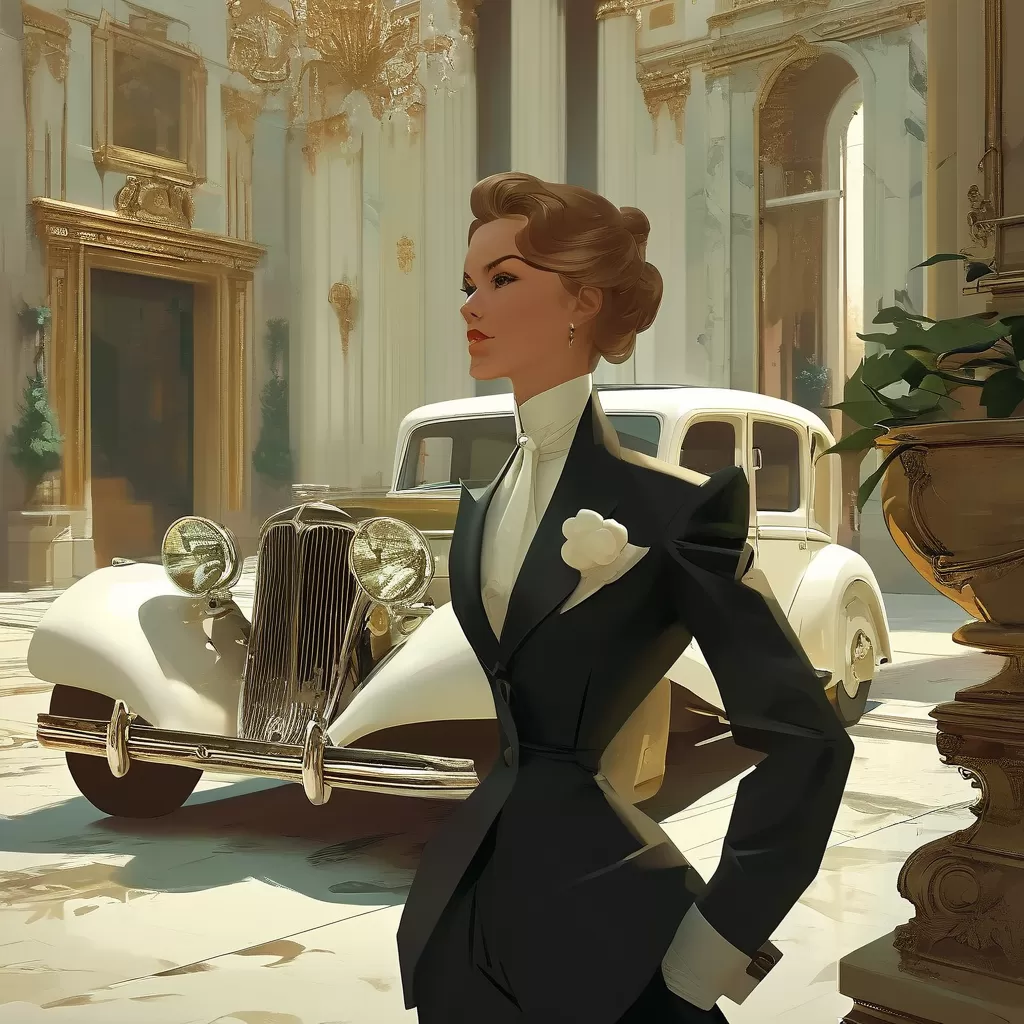
The old money aesthetic is perhaps one of its most recognizable aspects. It is characterized by an understated elegance, a preference for classic designs, impeccable tailoring, and enduring quality over fleeting trends. This style communicates wealth not through extravagance, but through informed taste and a deep understanding of what constitutes refined, appropriate wear.
[IMAGE_PLACEHOLDER: An image showcasing classic old money-inspired clothing items like a well-tailored navy blazer, a cashmere sweater, dark trousers, or a simple silk cravat.] **Feng Shui Powerhouse: Grow a Lush Money Plant for Good Fortune**
 Smart Money Calculator: Easy Budgeting & Saving Tool
Key elements of the old money look include:
- Classic Neutrals and Monochromatic Palettes: Think navy blue, grey, black, beige, white, and burgundy. These colors convey seriousness and sophistication. Often, looks are monochromatic, emphasizing tailoring and fit.
- High-Quality Fabrics: Cashmere, fine wool, silk, tweed, and leather are preferred for their durability, comfort, and timeless appeal. The feel and drape of the material are as important as the cut.
- Precision Tailoring: Clothes are fitted perfectly. Nothing is too tight or too loose. Tailoring for men often involves sharp, clean lines, while women’s wear emphasizes structure and elegant silhouettes.
- Subtle Accessories: Leather goods (buckles often left plain), simple watches, classic cufflinks, and perhaps a discreetly worn family signet ring. The focus is on quality and function, not ostentatious display.
- Footwear and Outerwear: Oxfords or derbies for men, loafers or brogues for women. Outerwear like Chesterfield coats, tuxedos, or well-maintained pelle coats are staples.
- Authenticity over Imitation: Investing in well-made, classic pieces from reputable designers or bespoke tailors is preferred over buying multiple cheap replicas of a trend.
This aesthetic is not about uniformity but about a shared understanding of what constitutes refined and appropriate style. It signals a certain confidence derived from knowing one’s worth isn’t tied to chasing every fleeting fashion, but is rooted in enduring principles and taste.
The power of old money lies in its quiet endurance. It represents a different scale of existence, one measured in generations rather than quarterly profits. While the flashy displays of newly acquired wealth capture headlines, the old money class continues to exert significant influence through its networks, its long-term investments, and its unwavering commitment to principles of discretion, substance, and legacy. Their elegance endures not because it is loud, but because it is rooted in a deep understanding of value, refined over time, and passed down through generations. It is a reminder that true sophistication often speaks softly, relying on timeless taste and enduring principles rather than the noise of newly minted wealth.