
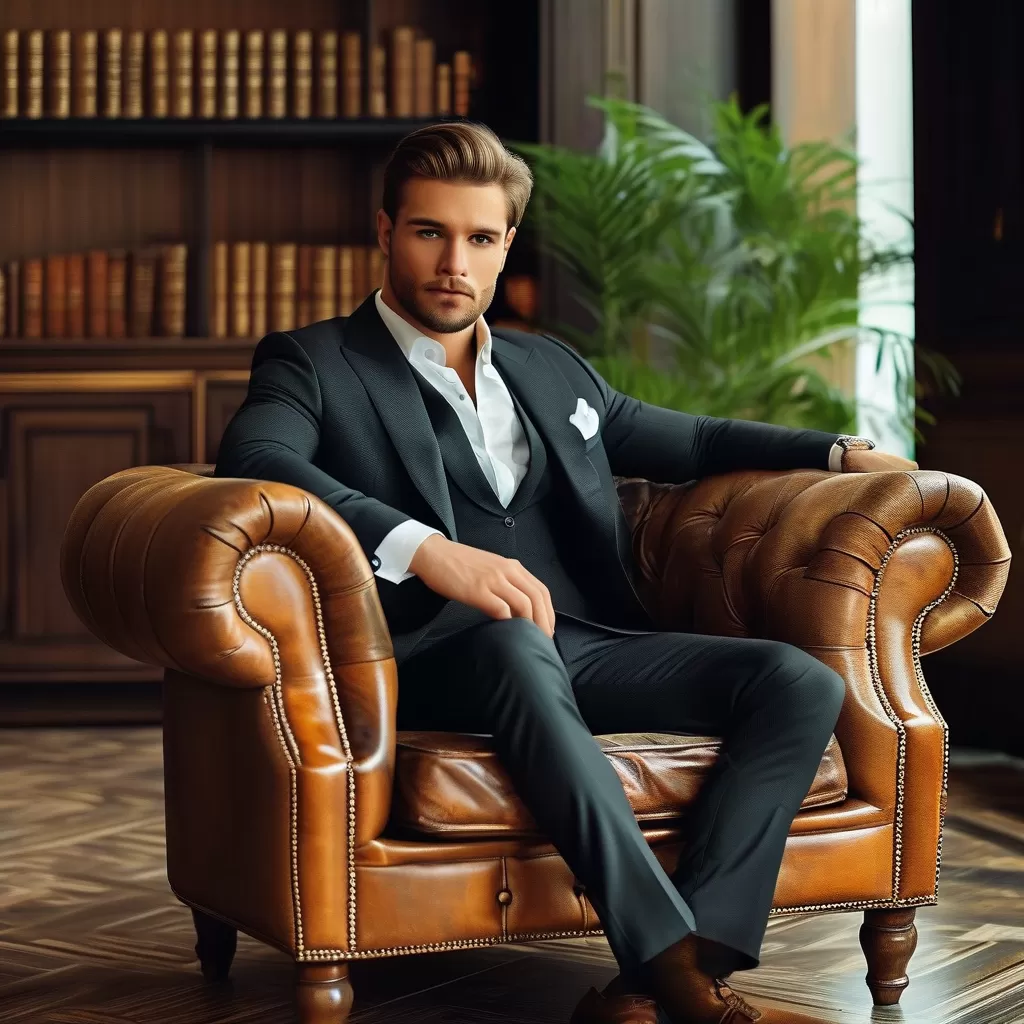
Elegance Beyond Flash: Mastering the Timeless Old Money Style
The fashion world is constantly evolving, chasing the next trend, the latest celebrity endorsement, or the most viral style. But amidst the noise, there exists a style that whispers rather than screams, one built on heritage, quality, and enduring grace. This is the old money style. It’s a look often associated with aristocracy, established wealth, and a certain quiet confidence that doesn’t require overt displays of affluence. Mastering the old money style isn’t about following fleeting trends; it’s about cultivating a timeless aesthetic rooted in tradition, impeccable taste, and a deep appreciation for craftsmanship.
The Essence of Old Money: More Than Just a Look
Old money style is fundamentally about substance over style. It’s an aesthetic derived from the wealthy dynasties who built their fortunes over generations, valuing lineage, education, and quiet sophistication over newly acquired wealth flaunted through flashy consumption. This isn’t nouveau riche display; it’s the style of those who have “been around the sun” and understand that true elegance is understated.
The old money aesthetic exudes a sense of timeless grace and tradition. It’s characterized by:
- Timeless Pieces: Investment in classics – well-tailored suits, sharp shirts, quality blazers, perfect-fitting trousers, elegant dresses, and simple, high-quality accessories. These items form the backbone of the wardrobe, rarely needing replacement for decades.
- Quality over Quantity: The focus is on buying fewer, exceptionally well-made items rather than a closet overflowing with cheap, trendy clothes. The investment lies in the craftsmanship, the materials, and the longevity of the garment.
- Subtlety and Nuance: Avoiding bold logos, excessive jewelry, or anything overly flashy. The old money style relies on details: a perfectly brushed cuff, a well-fitting collar, a classic pattern like houndstooth or pinstripes, or a single understated accessory like a quality watch or a pair of elegant sunglasses.
- Good Tailoring is Non-Negotiable: Clothes must fit impeccably. The difference between good tailoring and poor tailoring is stark. A garment that fits like a second skin is essential to the old money aesthetic. It speaks volumes about the wearer’s appreciation for detail and self-presentation.
- Neutral Palettes with Careful Accents: While not strictly monochromatic, the palette often leans towards neutrals – blacks, whites, greys, navy, beige, and brown. When brighter colors are introduced, they are typically classic choices (like navy blue, olive green, burgundy, or perhaps a well-executed print) and used sparingly.
- Good Manners and Social Graces: While not a clothing directive, the overall old money style carries an air of refinement. It’s reflected in posture, how one wears the clothes, and the overall demeanor – confident, composed, and understated.
Building Your Old Money Wardrobe: Key Elements
Creating a cohesive old money style requires intentionality. It’s not about copying a specific person but understanding the principles and sourcing the right items. Here’s how to build the foundation:
1. Invest in the Classics: The cornerstone of any old money wardrobe is built on timeless staples. Focus on versatile pieces that can be mixed and matched effortlessly.
- Trousers: A well-fitting pair of dark navy, charcoal grey, or black trousers is essential. They should be made from high-quality wool or cotton twill and fit perfectly from the waist to the ankle.
- Suits and Blazers: A classic two-button or three-button peak lapel suit in navy, grey, or black is indispensable. Investment in a good quality blazer (single-breasted or double-breasted) adds sophistication.
- Shirts: Crisp white cotton button-down shirts and high-quality silk or poplin dress shirts in classic colours are wardrobe pillars. Perfect collars and cuffs are crucial.
- Shoes: Oxfords in classic styles (Derby, Blucher) in black or brown leather are staples. Loafers can also be included. The key is quality construction and appropriate polish.
- Wool Overcoat: A well-fitting, classic wool overcoat is essential for year-round versatility, adding an instant layer of polish and sophistication.
- Cardigans and Sweaters: Fine-gauge, plain-weave cardigans and crew neck sweaters in neutral colours are perfect for layering and adding texture.
- Dresses and Skirts: For women, elegant sheath dresses, pencil skirts, or well-tailored jumpsuits in classic fabrics and colours complete the look.
2. The Power of Fabric and Detail: In the old money style, the quality of materials matters immensely. Luxurious fabrics like silk, cashmere, fine wool, and high-quality cotton are preferred. Pay attention to details like stitching, lining, buttons, and labels. Unbranded or minimally branded items often align better with the ethos. **Elegance Endures: The Timeless Allure and Enduring Power of Old Money** What’s Next for WWE’s Money in the Bank 2025? Inside the Anticipation
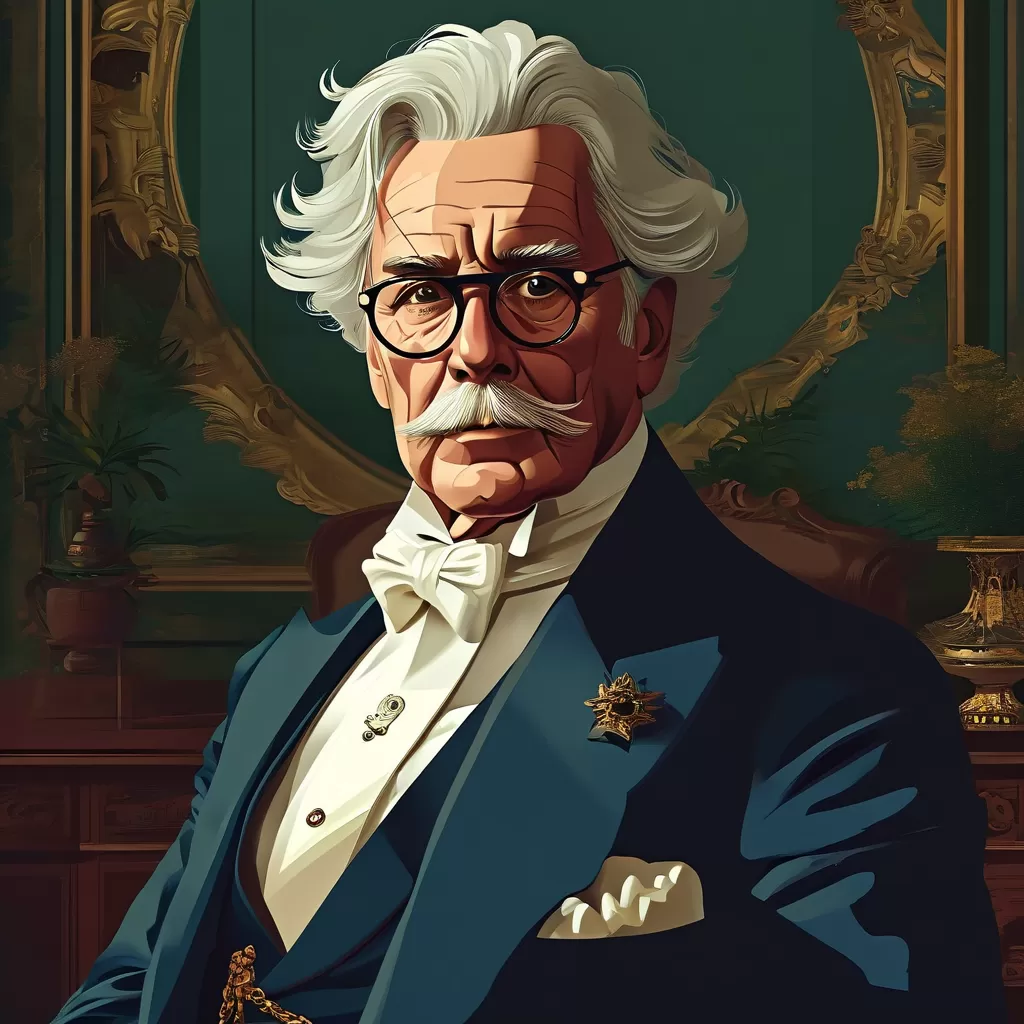
3. Accessorizing the Old Money Look: Accessories should complement rather than compete. Think quality over quantity.
- Watches: A classic watch, perhaps inherited or a timeless brand piece, is a subtle statement of status and taste.
- Sunglasses: Choose classic frames like Wayfarers, Clubmasters, or simple rectangular shapes in acetate or metal.
- Handbags and Briefcases: Opt for leather goods with a classic design, good quality hardware, and excellent construction. Simplicity is key.
- Belts: A quality leather belt in black or brown should match your shoe colour.
- Scarves: A silk or fine wool scarf can add a touch of colour or texture, elevating a simple outfit.
- Minimalist Jewelry: When worn, jewelry should be classic and understated – perhaps a simple pendant, stud earrings, or a thin, quality bracelet.
4. The Art of Mixing and Matching: A core principle of the old money aesthetic is versatility. Build your wardrobe around pieces that can be combined easily. For example, a navy suit can be paired with white shirts, blue dress shoes, and a silk tie for formal events, or deconstructed for a business casual look with chinos and loafers. A simple black turtleneck sweater can be dressed up with a blazer and skirt or down with jeans.
Mindset and Mastery: Wearing the Old Money Style
Mastering the old money style isn’t just about clothes; it’s about cultivating a certain way of being. It requires a shift in perspective towards consumption, presentation, and self-image.
Patience and Long-Term Investment: Buying clothes that last a lifetime requires patience. It’s not a fast fashion mentality. Understanding that the best pieces are investments rather than disposable items fosters a different relationship with spending and ownership. Elon Musk’s Net Worth Milestone: He’s Officially a Trillionaire
Confidence in Simplicity: The greatest challenge for those new to old money style is often letting go of trend-driven fashion and embracing simplicity. Confidence comes from knowing that understated elegance is powerful and authentic. Wear clothes you love because they fit well and are high quality, not because they follow the latest Instagram feed.

Attention to Detail: This style rewards meticulousness. Paying attention to things like cuff links, a perfectly brushed tweed jacket, or a well-maintained leather bag elevates the look. It reflects an appreciation for craftsmanship and care.
Grooming and Presence: Part of the old money appeal lies in the wearer’s bearing. Good grooming (well-maintained hair, neat nails, appropriate attire for the occasion) and a composed, self-assured presence are integral. It’s not loud, but it’s clear and confident.
Appropriate Occasionality: While the old money style can be adapted for various settings, understanding the context is key. A perfectly tailored suit might be appropriate for a formal event, while a well-fitting chino suit and button-down shirt works for a professional setting. Avoid forcing the style on inappropriate occasions where it might look out of place.