

Donald Trump’s Landmark Hush Money Conviction Upheld, But He Will Appeal
The weight of history hangs heavy in a Lower Manhattan courthouse, far removed geographically but conceptually inseparable from the political landscape. Inside, a federal appeals court has made a decision with profound implications for the presidency, the justice system, and the ongoing saga surrounding former President Donald Trump’s criminal conviction. The court has upheld the lower court’s ruling that sent Trump to federal prison on 34 felony counts related to falsifying business records to pay hush money to an adult film star. This landmark decision, however, is not the final chapter. Trump’s legal team immediately announced plans to appeal this ruling, ensuring the fight over his conviction continues.
The Landmark Conviction: Setting the Stage
The case, United States v. Trump, stands as a unique and unprecedented event in American political history. Trump became the first former president to be convicted of federal crimes. The charges stemmed from his 2006 payment of $150,000 to Michael Cohen, his then-forbidden lawyer, to settle a non-existent sexual harassment lawsuit and, crucially, to pay hush money to Stormy Daniels, an adult film performer, to keep her quiet about an alleged affair during the 2016 presidential campaign.
The core of the prosecution’s case rested on the assertion that Trump’s actions were not just illegal but politically motivated. The government argued that Trump’s 2016 campaign, and indeed his 2020 reelection campaign, sought to benefit from the payment itself or the underlying agreement. Assistant Attorney General for the Justice Department’s Criminal Division, Mythili Raman, forcefully stated the government’s position during the proceedings, emphasizing that the scheme was designed to influence the 2016 election and conceal the payment from public view.
Trump’s defense, led by high-profile attorneys like David Pecker and Edward McDonald, contested both the legal interpretation of the statutes and the underlying facts. They argued vigorously that the payment was a victimless transaction between consenting adults, that there was no sexual encounter with Daniels, and that the records Trump’s company, Trump Organization, was accused of falsifying were kept to protect his reputation during a bitter divorce from Melania Trump. Furthermore, the defense contended that the charges were politically retaliatory, aimed at disqualifying him from the presidency.
The Appeals Process: A Victory for Prosecution, A Launchpad for Defense
Last year, in March 2023, a jury in the Southern District of New York reached a verdict against Trump, convicting him on 34 counts, including falsifying business records and conspiracy to obstruct justice related to the hush money scheme. The sentencing followed, initially leading to a prison term. However, even before the dust settled, the defense filed an appeal, challenging the conviction.
Now, in a significant ruling, the United States Court of Appeals for the Second Circuit has affirmed the lower court’s decision to deny Trump’s initial appeal. The appeals court meticulously reviewed the arguments presented by both sides. The prosecution successfully argued that the charges fell squarely within the scope of federal law regarding the obstruction of justice and falsification of records, justifying the jury’s verdict. They maintained that the payment was part of a scheme to influence the 2016 election and conceal a payment made to settle an alleged sexual encounter, actions they deemed corrupt and illegal. **Conviction Upheld: The Enduring Hush Money Saga Continues**
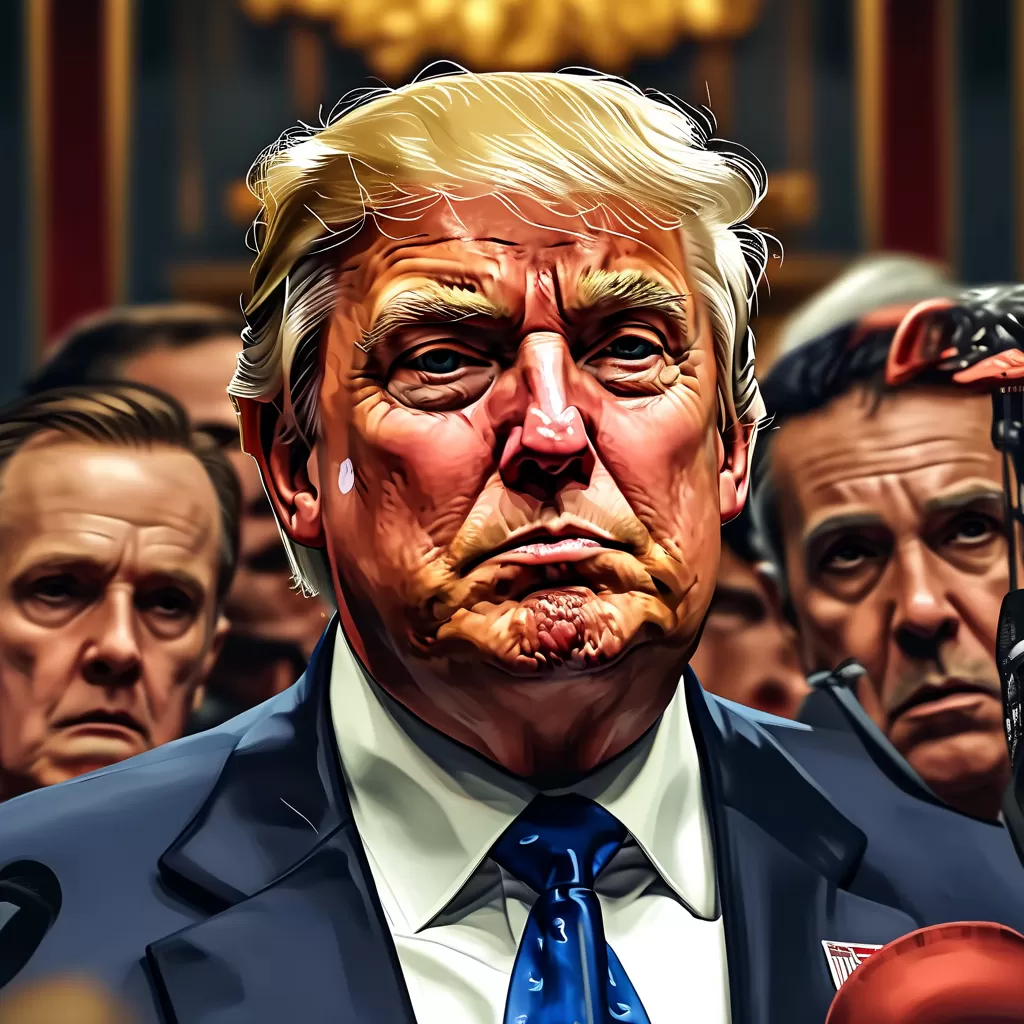
Trump’s legal team, however, argued that the appeals court itself should reconsider whether the original decision to send the case to federal court was correct. Their central argument, which they likely presented in their subsequent appeal (having already exhausted state-level appeals challenging the New York conviction), was that the lower court judge had improperly dismissed their claim that the case should have been tried in state court. They contended that the state court judge erred in law by concluding that the federal charges could not stand alongside the state conviction.
The appeals court’s decision, therefore, while upholding the conviction, also implicitly endorsed the government’s position regarding the jurisdictional basis of the case. This ruling, affirming the lower court’s refusal to dismiss the federal case outright, provided the foundation for the next phase of the legal battle. It is precisely this phase – the appeal of the conviction itself – that Trump announced he would pursue.
The Road Ahead: The Pivotal Appeal of the Conviction
With the appeals court having upheld the conviction and the underlying rationale for its existence, the focus now shifts to the direct appeal of the 34 felony convictions. This appeal will likely be the most critical stage in the case, potentially deciding Trump’s final freedom or further imprisonment. The legal arguments will likely center once again on the same core issues: the legality of the underlying conduct, the sufficiency of the evidence presented to the jury, the appropriateness of the jury instructions, and the potential for political motivation tainting the proceedings.
Key questions the appellate court will scrutinize include:
* Were the prosecution’s theories legally sound? Did the government correctly interpret the obstruction statutes and the falsification charges to apply to this specific conduct?
* Was there sufficient evidence? Did the jury have an adequate basis to find beyond a reasonable doubt that Trump engaged in the illegal acts, particularly the obstruction of justice and the falsification of business records?
* Were the jury instructions accurate? Did they correctly reflect the applicable law, potentially including nuances related to intent or causation?
* Did the trial suffer from reversible error? Arguments might be raised regarding witness credibility, the handling of exculpatory evidence, or potential bias.
The stakes are incredibly high. A successful appeal could lead to a reversal of the conviction, a new trial, or potentially a finding that the conviction is invalid due to double jeopardy concerns arising from the earlier state case. Alternatively, the conviction could stand, leading to the execution of the lengthy prison sentence already imposed.
Simultaneously, the state-level appeal of the New York conviction remains active. Trump is appealing his state conviction, which carries its own potential consequences, including the revocation of his presidential immunity (though the federal conviction already removes that shield) and the possibility of further state penalties if the state appeal is ultimately unsuccessful. The interaction between the ongoing federal appeal and the state appeal adds another layer of complexity to an already protracted legal fight.
The Enduring Significance and Future Implications
The Second Circuit’s decision, while upholding the conviction, underscored the extraordinary nature of this case. It highlighted the potential for federal and state jurisdictions to overlap in complex ways, particularly concerning actions by former presidents. This case has already ignited intense debate about campaign ethics, the boundaries of presidential conduct, the politicization of the judiciary, and the future of presidential accountability under federal law.
For Trump, the path forward is arduous. The affirmation of his conviction, coupled with the denial of his challenge to the very basis of the federal prosecution, has solidified the legal foundation for his sentence. His appeal of the conviction itself is a long shot, given the weight of the jury’s verdict and the strength of the government’s arguments, but it remains the necessary legal recourse. The legal battles surrounding his actions – from the original charges to the appeals process – have consumed years and vast resources, casting a long shadow over his presidency and legacy.
As the appeal process unfolds, the nation watches. The outcome will not only determine Trump’s immediate future but also set important precedents for how future presidents and campaigns navigate legal boundaries and the extent to which the Justice Department will pursue charges against former holders of the highest office. The fight over the “trump hush money conviction” is far from over, despite the recent affirmation of the underlying verdict. The legal saga continues, intertwined with the very fabric of American political discourse.