
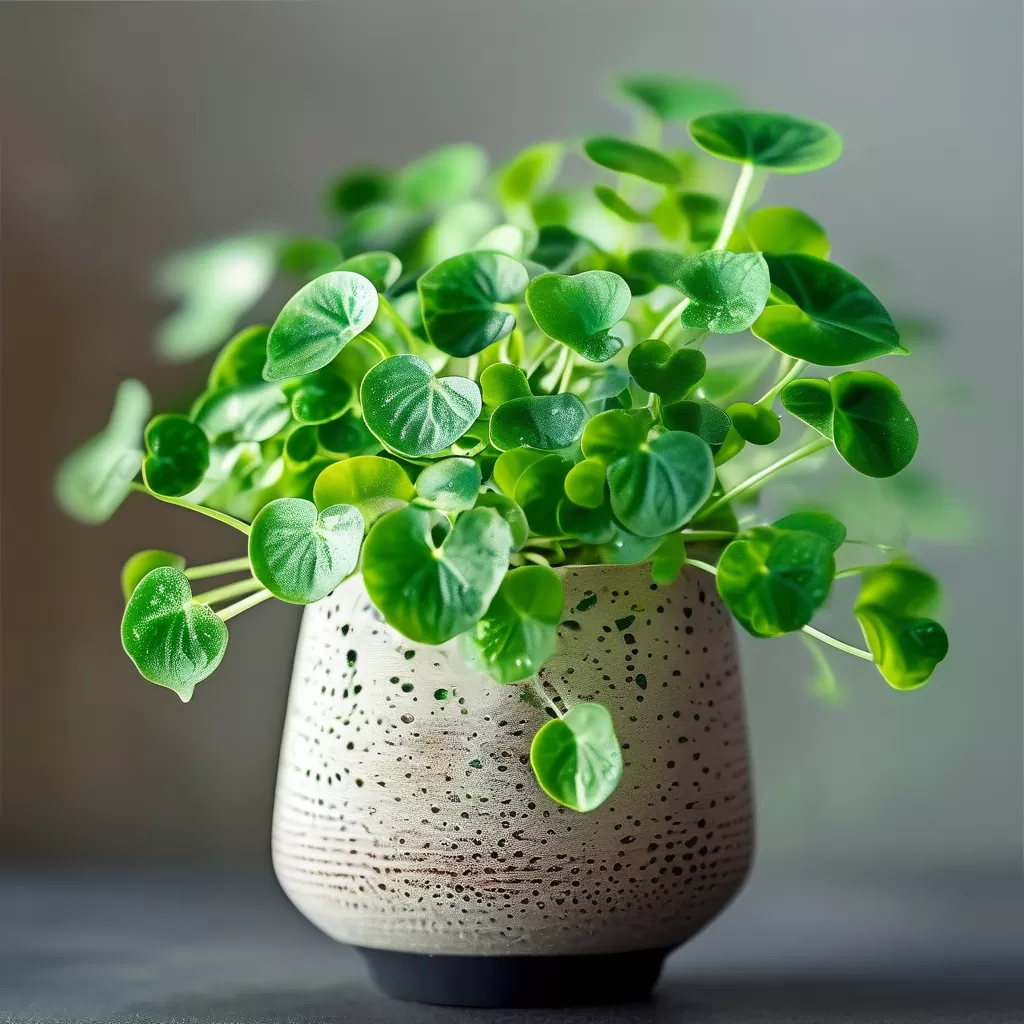
Feng Shui Powerhouse: Grow a Lush Money Plant for Good Fortune
There’s a certain allure to a plant that combines beauty with a promise of good fortune. In the world of Feng Shui, the Money Plant, often referred to as the Pachira aquatica or Money Tree, holds a revered place. More than just an attractive houseplant, it is considered a powerful symbol of wealth, prosperity, and positive energy flow. This guide delves into the fascinating world of the Money Plant, exploring its Feng Shui significance, physical characteristics, care requirements, and how you can harness its power to attract abundance into your life.
Unveiling the Money Plant: More Than Just Green Foliage
The Money Plant, scientifically known as Pachira aquatica, hails from the tropical rainforests of Central and South America. It is a fascinating plant characterized by its unique growth habits and distinctive appearance.
Physical Characteristics and Growth Habit
One of the most recognizable features of the Money Plant is its ability to produce aerial roots – roots that grow upwards from the stem towards the light. These roots, often braided together for aesthetic appeal, contribute to its sturdy, tree-like appearance, hence the common name “Money Tree”.
The leaves are typically large, round, and a vibrant, deep green. They may have a slightly waxy texture and often feature a prominent central vein, sometimes with subtle, lighter green markings radiating outwards. The plant can grow quite large, developing thick, woody trunks over time if given sufficient space and time.
Propagation is often achieved through seeds, which produce a unique, heart-shaped seed pod. While the plant itself is a perennial, it can be grown as a biennial for ornamental purposes, focusing on the development of its foliage and stems before potentially allowing it to flower and set seed. The seed pods, when mature, are also considered attractive and can be used in floral arrangements, adding another layer of value.
Cultural Significance and Feng Shui Origins
While native to the Americas, the Money Plant gained widespread popularity and its association with fortune and prosperity likely stems from its resemblance to coins or pouches in its leaf shape and overall sturdy form. In Feng Shui practice, which often draws inspiration from various cultural traditions including those of China and other Asian countries, the Money Plant is a potent symbol.
Its five large, green, coin-like leaves are particularly significant. According to Feng Shui principles, these five leaves are believed to represent the five elements: Wood, Fire, Earth, Metal, and Water. Placing a Money Plant in your home or office is thought to attract abundant wealth and positive financial energy. Its ability to thrive in various conditions also symbolizes resilience and adaptability, qualities that support the flow of good fortune.
Placing Your Money Plant for Maximum Feng Shui Benefit
The power of the Money Plant in Feng Shui lies not only in owning one but also in its strategic placement. Correct positioning is key to harnessing its energy for attracting prosperity.
 Unclaimed Money: How to Find Funds You Never Knew Existed
Ideal Locations According to Feng Shui Principles
According to Feng Shui, the Money Plant should be placed in areas associated with wealth and success:
- Northeast Corner (Ba Bu Xiang): In many Feng Shui schools, the northeast corner of your home or office is considered the “wealth corner”. Placing a healthy Money Plant here is believed to amplify financial opportunities and attract prosperity directly into this crucial area.
- Office Spaces: For professionals, placing a Money Plant in the office, particularly in the far left corner (the position of the “success star”), is thought to boost career success and financial gain. Avoid placing it directly in front of your desk, however, as this can block the flow of commanding energy.
- Main Entrance: A healthy Money Plant placed near the entrance can act as a welcoming gesture, inviting positive energy and financial luck into your home or business.
- Living Room: Placing it in the living room can bring good fortune and positive vibes to the household, benefiting all family members.
Height and Direction Considerations
Traditionally, a taller Money Plant is preferred for maximum Feng Shui effect, as it represents reaching upwards towards financial success. Ensure it stands out visually without being overly dominant.
Regarding the direction it faces, while not as rigidly defined as placement corners, some believe orienting the plant with its main stem pointing towards an area of abundance (like the entrance or a window) can enhance its effect. The presence of the aerial roots is often seen as grounding the plant’s energy, further stabilizing its positive influence.
Care and Prosperity: The Connection
For the Money Plant to effectively channel positive energy and attract good fortune, it must be happy and healthy. Proper care ensures the plant thrives, reinforcing its symbolic meaning.
According to the reference information, the Chinese Money Plant (which is often the same or very similar to Pachira aquatica) prefers a well-draining potting soil and a pot with drainage holes to prevent waterlogged roots. This aligns with general care advice for many houseplants, emphasizing the importance of avoiding overwatering. Allowing the soil to mostly dry out between waterings is crucial. These plants also benefit from being fed once a month, especially during their active growing season.
Cultivating Luck: Money Plant Care Guide
While the Feng Shui aspect is captivating, successfully growing a Money Plant requires understanding its basic care needs. A healthy plant is better equipped to stand tall and symbolize prosperity.
Light Requirements
The Money Plant is remarkably adaptable when it comes to light. It prefers bright, indirect light but can tolerate lower light conditions, though growth may slow down. Avoid placing it in direct, harsh sunlight, especially during the hottest part of the day, as this can scorch the leaves. A spot near an east or north-facing window is often ideal, or any room with moderate, filtered light. Unlock Secret Ways to Access Free Money You Didn’t Know About
Hidden Funds: Discover Unexpected Sources of Free Money
Instant Free Money Tricks That Work Guaranteed
 Elon Musk’s Wealth: How Much Does the Tech Titan Really Have?
Watering: The Critical Factor
As mentioned earlier, watering is a critical aspect of Money Plant care and directly relates to its Feng Shui power. Overwatering is the most common mistake and can lead to root rot, causing the plant to decline.
Water your Money Plant thoroughly when the top inch or two of soil feels dry to the touch. Ensure excess water drains freely from the pot’s bottom – never leave the plant sitting in a saucer of water. Finding the right balance is key, mimicking the plant’s natural habitat where it experiences periods of rain followed by dry spells.
Soil and Potting
Use a high-quality potting mix that provides good drainage. A mix incorporating ingredients like peat moss, perlite, or vermiculite can enhance drainage. Always choose a pot with drainage holes to prevent water accumulation. Repot your Money Plant every 1-2 years, typically in spring, to refresh the soil and provide more space for the developing roots. The reference highlights that these plants “arrive without pots,” suggesting they might be sold bare-root or in simple containers, making repotting a common task.
Temperature and Humidity
The Money Plant is sensitive to cold drafts and temperatures. It thrives in temperatures above 50°F (10°C) and is generally comfortable in typical room temperatures, typically between 65-80°F (18-27°C). Avoid placing it near cold windows in winter or heat sources in summer.
It is relatively adaptable to average household humidity levels but appreciates slightly higher humidity. If the air in your home is very dry, especially during winter months, you can increase humidity by grouping plants together, using a pebble tray with water (ensuring the pot doesn’t sit directly in it), or using a humidifier.
Fertilizing for Growth
To encourage lush growth and overall health, feed your Money Plant with a balanced, water-soluble houseplant fertilizer diluted to half strength every 4-6 weeks during the growing season (spring and summer). Reduce fertilization in fall and winter when growth slows down.
Pruning and Maintenance
Prune your Money Plant to control its size, shape it according to your preference, and to encourage bushier growth. Simply cut back leggy stems just above a leaf node (the raised bump where leaves and branches attach). You can also gently twist off older, lower leaves or stems if they appear leggy or unhealthy, as the plant readily produces new growth from these points. Removing yellow or brown leaves also helps maintain its appearance.
Potting and Propagation
As mentioned,
References
- Money Tree Plant | Tropical Indoor Plants & Houseplants for Delivery
- Money Plant | John Scheepers Kitchen Garden Seeds
- Tricks to grow beautiful bushier Chinese money plant – Facebook
- 2 Money Tree Plant Indoor, 5 to 7 Inc in Height, Pilea Peperomioides …
- I cannot keep an indoor “money plant” alive healthy to save my life …