
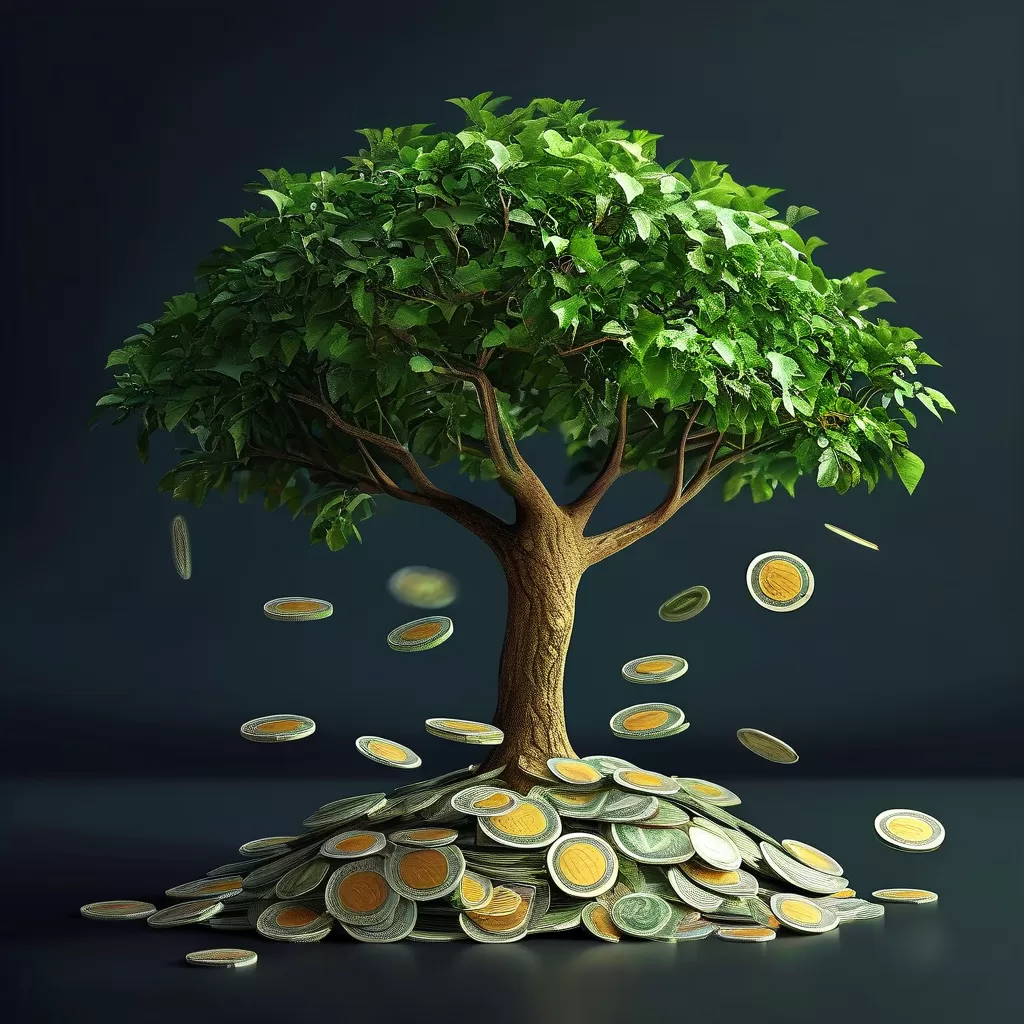
The Enduring Allure: Why Money Trees Capture Our Collective Imagination
Walking into a plant nursery or browsing online marketplaces, you’re likely to encounter the money tree, scientifically known as *Zamiocapsicum punctatum*. With its vibrant green, round leaves arranged in a distinctive pattern and its reputation for bringing good fortune, the money tree is more than just a pretty plant; it’s a symbol deeply woven into cultural fabric, a subject of superstition, and a popular choice for homes and offices worldwide. But what exactly is it about this particular succulent that makes it so captivating? Its enduring appeal lies not only in its aesthetic beauty but also in the rich tapestry of meanings and uses it represents.
Unearthing the Secrets: The Fascinating World of Money Trees
The Plant Itself: More Than Just a Succulent
Before delving into the symbolism and fortune-telling aspects, let’s understand the plant. Zamiocapsicum punctatum is native to Madagascar. Belonging to the Araceae family, the same family as peace lilies and skunk cabbage, it’s known for its resilience and ability to thrive in lower light conditions, making it a popular houseplant. Its leaves are thick, leathery, and typically a vibrant green, sometimes with a slight variegation. The plant gets its common name “money tree” from its unusual growth habit. As the plant matures, it sends out aerial roots from its stem, which can root into a potting mix below, creating a dense network that resembles the roots of a tree, hence the name. These aerial roots are not essential for the plant’s survival but are a characteristic feature.
Symbolism Across Cultures and Time
The association of the money tree with wealth and fortune isn’t accidental; it’s rooted in centuries of cultural and symbolic tradition, particularly within African and African diasporic cultures.
Originating from Madagascar, which has strong ties to African cultural practices, the prenda (meaning “to bring luck”) belief system is often linked to the money tree. In many parts of Africa, *Zamiocapsicum* plants are believed to attract positive energy and protect homes from negative influences. The plant’s robust nature, its ability to thrive and “hang on,” symbolizes resilience and enduring prosperity. This symbolism likely traveled with African diaspora populations during the transatlantic slave trade and subsequent migrations.
In American culture, particularly within the African American community, the money tree gained significant traction as a symbol of financial success and protection. This connection solidified during the mid-20th century, becoming a staple in Voodoo and Hoodoo folk magic traditions. Practitioners believed that placing a money tree in the home or workplace could attract money, create a protective barrier against financial loss, and foster an environment conducive to prosperity.
The symbolism often extends beyond mere wealth. For some, the money tree represents:
- Financial Stability: Its presence signifies a steady flow of income and the accumulation of wealth.
- Protection: It wards off negative energy, financial trouble, and malicious intent.
- Good Fortune: It attracts positive vibes and opportunities, not just monetary ones.
- Resilience: Its hardiness mirrors the strength needed to navigate life’s challenges and build prosperity.
Decoding the Mystique: Cultivating Prosperity and Connection
The belief in the money tree’s power goes beyond simple symbolism; it involves cultivation, placement, and care according to specific traditions. While modern interpretations might be more relaxed, the underlying desire for security and abundance remains a powerful motivator.
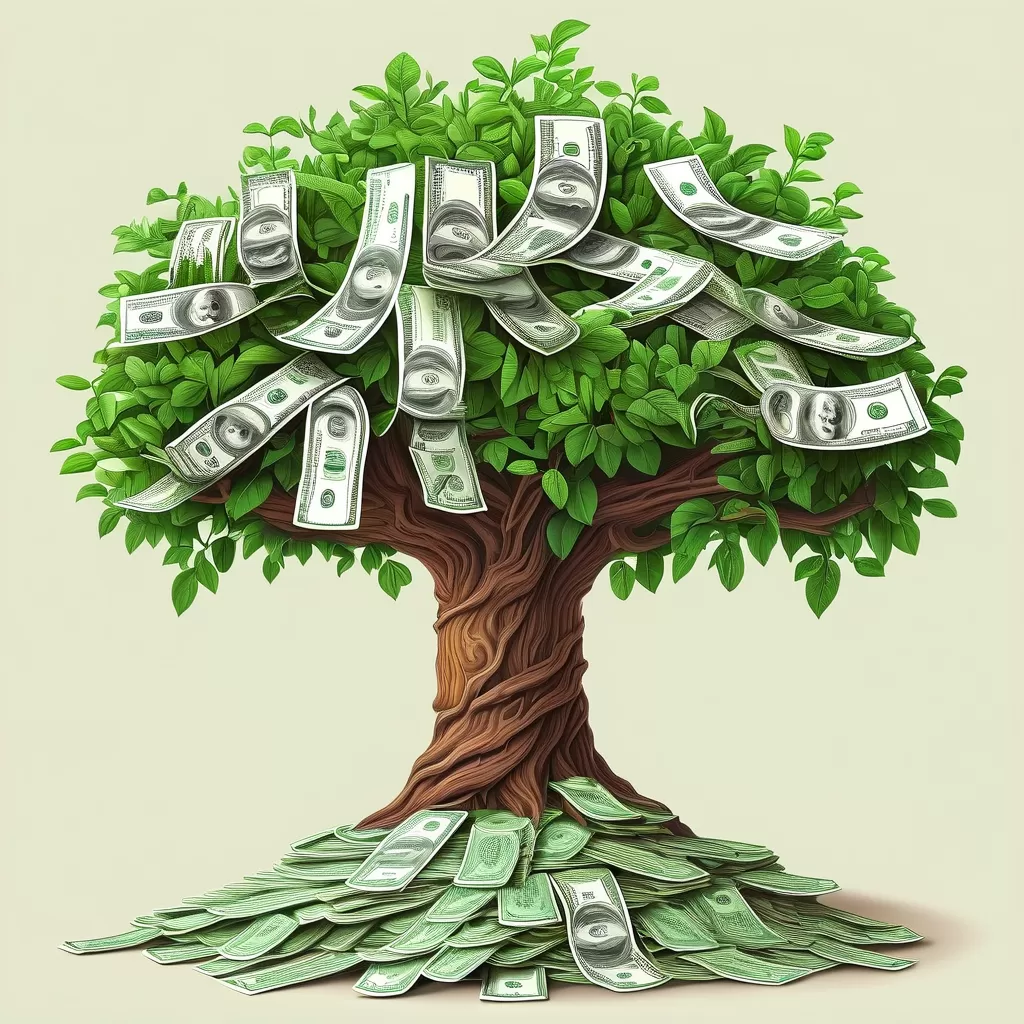 Money Tree Plant: Cultivate Prosperity & Good Luck at Home
Caring for Your Financial Guardian
While the symbolic meaning is key, keeping a healthy money tree is essential for its purported benefits. Like all plants, it has specific care requirements:
Light: Money trees prefer bright, indirect light. Direct sunlight can scorch their leaves. A north-facing window or a spot a few feet away from a south-facing window is ideal.
Water: As a succulent, the money tree is susceptible to root rot if overwatered. Allow the top inch or two of soil to dry out completely between waterings. Water thoroughly when the soil is dry.
Soil: Use a well-draining potting mix, possibly amended with sand or perlite, to prevent waterlogged soil.
Temperature and Humidity: They thrive in average indoor temperatures between 65-80°F (18-27°C) and prefer moderate to high humidity. A pebble tray or regular misting can help increase humidity around the plant. How to Get Rich from Nothing [Ultimate Guide]
Fertilizing: Feed with a balanced, water-soluble fertilizer diluted to half strength every 2-3 months during the growing season (spring and summer). Lucky Money Tree: Your Guide to Buying and Plant Care for Prosperity
Some traditions place specific importance on the plant’s condition. A thick, vibrant green plant is considered a sign of good fortune and health. Drooping or yellowing leaves might be interpreted as a sign that the plant’s energy isn’t feeling positive, or that the owner needs to focus more on their financial goals.
The Ritual of Placement and Gifting
The placement of the money tree is often considered crucial. Many believe it should be placed in the northeast corner of a room or home, as this is often associated with career and money flow in Feng Shui principles, even though the primary association stems from African traditions.
Gifting a money tree is also a significant practice. Presenting one to someone is seen as a gesture of goodwill, a wish for their prosperity and success. The giver often hopes the plant will serve as a constant reminder of their good intentions.
The act of “caring for” the plant itself can be seen as a metaphorical act of nurturing one’s own financial well-being. Watering it regularly, ensuring it thrives, becomes a symbolic commitment to maintaining financial health.
Conclusion: More Than Just a Plant
The money tree, with its glossy leaves and resilient nature, stands as a potent symbol in our modern world. It bridges ancient African traditions of luck and protection with contemporary desires for financial security and well-being. While its ability to photosynthesize and purify the air is a tangible benefit, the deeper draw lies in its symbolic power.
For many, placing a money tree in their home or office is more than just interior decoration; it’s a conscious choice to invite prosperity, ward off negativity, and connect with a lineage of cultural beliefs that value resilience and abundance. Whether you believe in its mystical properties or simply appreciate its aesthetic and low-maintenance nature, the enduring allure of the money tree remains strong. It serves as a constant, living reminder that sometimes, a little green leaf can hold a lot of green promise.