
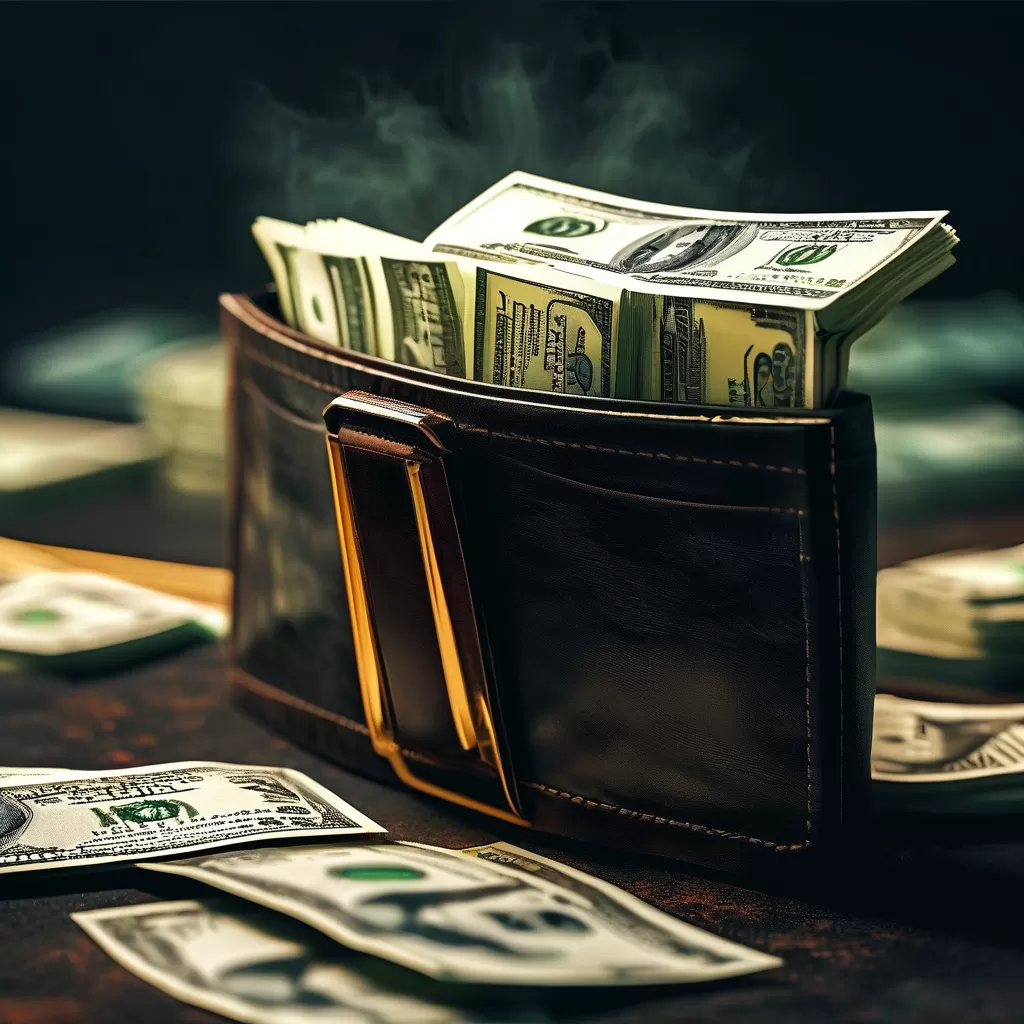
The Ultimate Guide to Creating Realistic Movie Money
Welcome to the world behind the scenes, where the magic of cinema extends beyond acting and camera angles. Achieving that perfect, immersive world requires attention to every detail, even the smallest ones like currency. This is where prop money comes into play. Whether you’re planning a high-stakes heist, a gritty street scene, or a period drama, having convincing movie prop money is crucial for believable storytelling. This comprehensive guide will walk you through everything you need to know about creating realistic prop money, from understanding its importance to mastering the techniques involved.
Why Realistic Prop Money Matters
In the realm of filmmaking, authenticity is paramount. Audiences connect with characters and worlds that feel real, and inconsistent or obviously fake money can immediately break that immersion. Consider a tense negotiation scene; if the characters handle paper that looks like thin cardboard, the scene loses credibility. Similarly, a historical film set in the 1920s would look anachronistic and amateurish if actors handled crisp, modern bills.
Realistic prop money serves several key purposes:
Enhancing Believability: It grounds the action in reality. When characters interact with money that looks convincing – folding it, handing it over, counting it – the narrative becomes more believable and engaging.
Supporting Stunt Work: In action sequences involving chases, fights, or explosions, stunt doubles and actors need functional props. Lightweight, durable prop money is much safer and easier to handle than real currency during high-intensity scenes.
Safety and Legal Compliance: Using fake money avoids legal issues associated with handling real currency, especially large amounts. It eliminates the risk of counterfeit bills causing problems for vendors or authorities involved in production.
Practicality and Cost-Effectiveness: Creating and handling fake money is far more practical and affordable than using real bills. It allows productions to manage budgets effectively without compromising on visual authenticity.
Types of Prop Money: Paper, Metal, and Beyond
The world of prop money isn’t limited to just paper bills. Depending on the specific needs of your project – be it a gritty street drama, a high-tech futuristic setting, or a historical piece – different types of prop money can be employed to enhance realism.
Paper Prop Money: The Workhorse
Paper is the most common medium for prop money due to its flexibility, weight, and relative ease of production. It allows for folding, crumpling, and other handling effects that are difficult to achieve with other materials.
Materials: The quality of the paper is crucial. Cardstock offers good durability and thickness, mimicking real paper better than standard printer paper. Specialty prop paper or archival paper designed for model making can also be excellent choices, offering a textured feel and better longevity. Acetate or mylar can be used for transparent overlays or for creating money that needs to be projected or viewed through certain effects, although it lacks the tactile quality of paper.
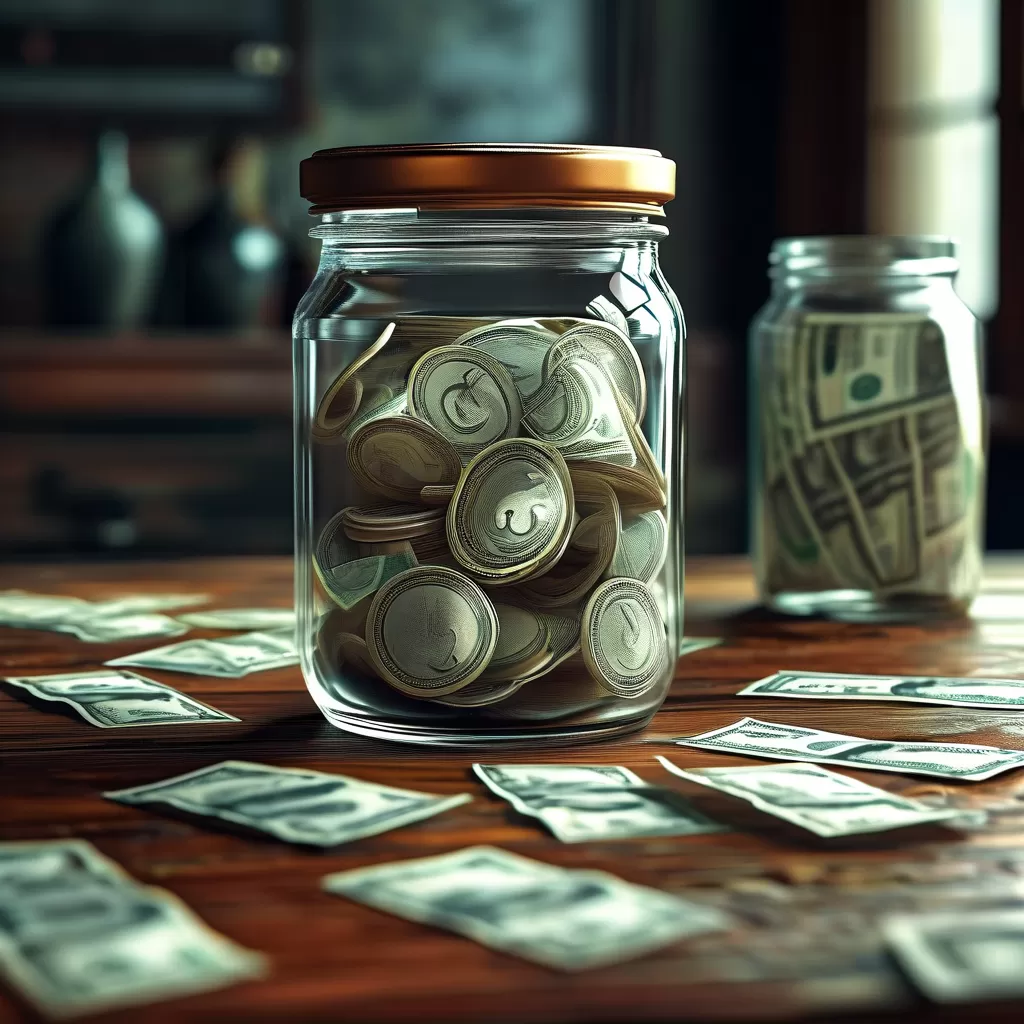
Realism Factors: The look and feel of paper prop money depend heavily on texture, color, and weight. Matte finishes often look more convincing than glossy ones for older bills, while newer bills might benefit from a slight gloss. The right paper weight prevents it from feeling flimsy or overly thick. The Fascinating World of Monopoly Money: More Than Just Play Money
Metal Coins: Enduring Value
For scenes requiring coins – be it pocket change, arcade tokens, or valuable currency – metal prop coins are the way to go. They add a tactile element and can look more substantial than paper.
Materials: Brass, copper, aluminum, zinc, and stainless steel are common materials for prop coins. The choice depends on the era, denomination, and desired aesthetic. Zinc is often used for modern coins as it’s relatively cheap and can be plated to achieve various finishes. Brass and copper offer a classic, slightly vintage look.
Realism Factors: The finish is key. Coins should have the appropriate patina, wear, and mint-like shine for new coins, or the tarnish and scratches for older ones. Engraving must be clear and sharp, replicating the details found on real coins. Weight distribution should feel correct for the denomination.
Edible Movie Money: A Special Occasion
While not always necessary, edible props offer a unique solution, particularly for themed parties, commercials, or children’s productions where safety and disposability are paramount. Money Talks: Unlock Financial Freedom and Master Your Wealth Today
Materials: Typically made from sugar paper, candy wrappers, or specialized edible film. Often decorated with food-safe inks.
Realism Factors: Achieving a convincing look can be challenging with edible materials, as they often lack the texture and thickness of real paper or metal. They are best suited for stylized or clearly fictional depictions of currency.
Creating Prop Money: Techniques and DIY Methods
While purchasing pre-made prop money is often the easiest route, creating your own can offer customization benefits or be more budget-friendly for small-scale projects. Several techniques can be employed, ranging from simple printing to more complex sculpting.
DIY Paper Prop Money
Creating realistic paper prop money involves replicating the look and feel of real currency. Here’s a basic approach: Here are a few options for an attractive article title about “Money Trees”:
1. The Enduring Allure: Why Money Trees Capture Our Collective Imagination (12 words)
2. Unearthing the Secrets: The Fascinating World of Money Trees (11 words)
3. More Than Just Luck?: Decoding the Mystique of Money Trees (10 words)
4. Your Guide to Prosperity: Cultivating the Power of Money Trees (12 words
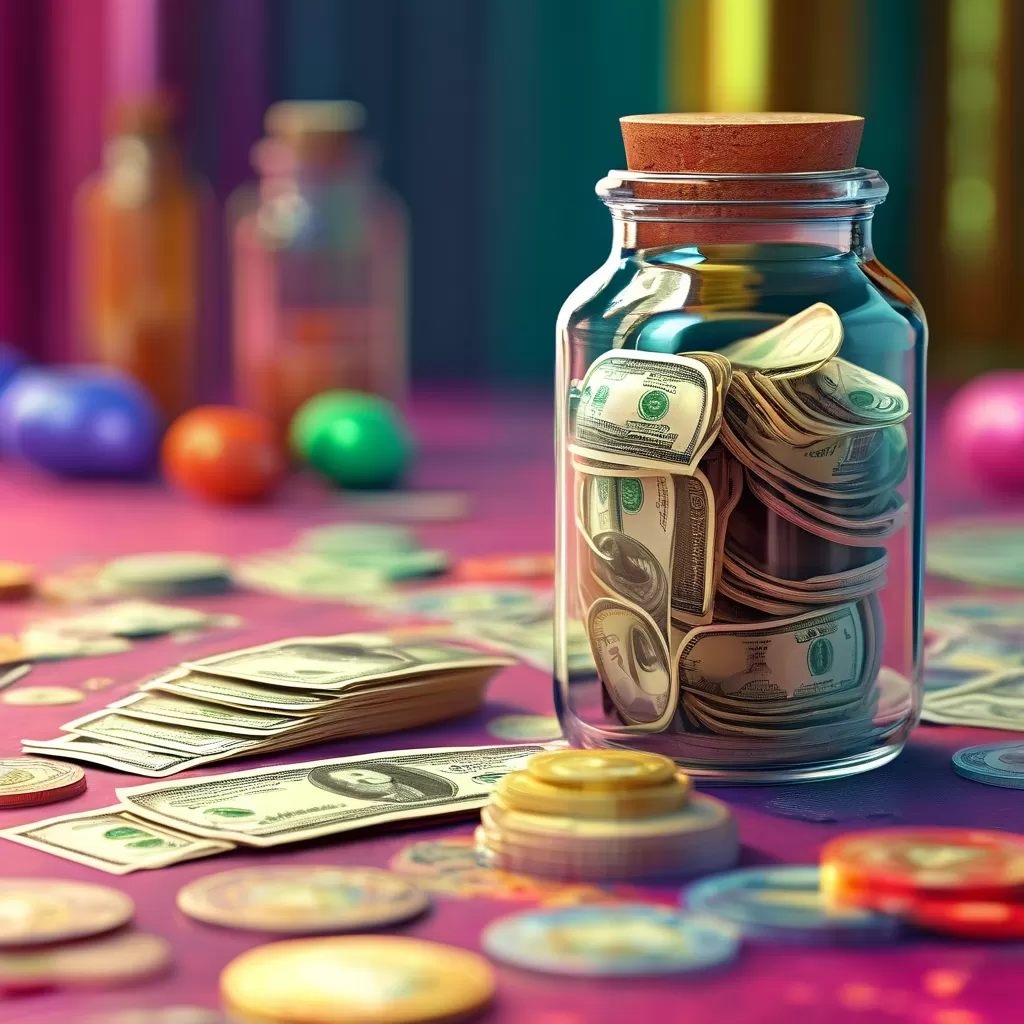
Printing: This is the most common method. You’ll need:
- High-Quality Printer: Inkjet or laser printers work best. Inkjet allows for better penetration into textured paper, while laser provides sharp lines on smoother surfaces.
- Appropriate Paper: Choose cardstock or specialty prop paper for the best results.
- Detailed Images: Obtain high-resolution scans or images of the actual bills you want to replicate. Pay close attention to fine details like watermarks, security threads, and microprinting.
- Printer Settings: Use the highest quality setting. Consider using specialized prop printing paper that accepts ink well and doesn’t warp.
Foiling and Embossing: To add the metallic elements and raised printing found on many bills:
Foiling: Apply adhesive tape (like clear adhesive) to the back of the printed bill, covering the areas where you want foil. Place heat transfer foil face down on top. Use an iron on a medium-high setting (following the foil manufacturer’s instructions) to activate the adhesive and transfer the foil. Remove the tape carefully once cool.
Embossing: Use an embossing folder and ink pad to transfer the raised printing onto the paper. This requires practice to get the depth right without distorting the paper.
Folding Techniques: To make the bills look used and authentic, incorporate folding:
- Fold bills in half lengthwise, then cross-fold.
- Create random creases and folds that look like they’ve been handled.
- Use a staple or small nail to create a hole near the edge, mimicking where a staple might be removed or where a coin fits into a billfold.
DIY Metal Coins
Creating metal prop coins is more complex and typically requires specialized tools or casting techniques.
Stamping: Requires a coin stamping press and dies. This method produces consistent results but requires significant investment and expertise.
Casting: A more accessible (though still requiring some skill) method involves creating a mold of a real coin and casting it in metal. You’ll need materials like Plaster of Paris or silicone for the mold, and molten metal (like brass or aluminum) for casting. Safety is crucial when working with hot materials and chemicals.
Engraving: For smaller quantities or custom designs, engraving the details onto a solid piece of metal is an option, again requiring specialized equipment.
Materials and Where to Buy
For paper prop money, look for:
- Cardstock: Various weights available online (e.g., 110lb, 150lb). Look for textured finishes.
- Specialty Prop Paper: Specifically designed for model making or props, often available from craft stores or online suppliers.
- Acetate/Mylar: For transparency effects.
- Prop Printing Paper: Some companies offer paper designed to work with inkjet or laser printers for better absorption and less warping.