
Essential Guide to Identifying and Avoiding Counterfeit Money
Every day, billions of transactions flow seamlessly through our economies, facilitated by the currency we use. Whether it’s cash exchanges, card payments, or online transfers, we generally trust the money we handle or use. However, this trust is not foolproof. Counterfeit money, or fake money, remains a persistent threat, undermining economic stability and causing significant losses for individuals, businesses, and governments worldwide. Understanding what counterfeit money is, how it’s created, and most crucially, how to identify and avoid it, is not just a matter of caution; it’s an essential skill for financial literacy and security.
Understanding Counterfeit Money: What It Is and How It Works
Counterfeit money refers to currency produced outside the legal sanction of a government, usually in a deliberate attempt to imitate genuine currency and deceive its users into accepting it as legitimate payment or investment.
The motivation behind counterfeiting is primarily financial gain. Individuals or organized criminal groups invest time, effort, and resources into creating materials and devices capable of producing convincing fake notes and coins. The sophistication of counterfeit attempts varies widely, ranging from crudely copied bills using simple printing presses to highly advanced attempts utilizing sophisticated digital tools and materials that can rival official currency.
Modern counterfeiters often leverage technology. Computer-generated graphics allow for detailed replication of designs, while specialized inks and paper can mimic the feel and security features of genuine banknotes. However, official currencies incorporate numerous security elements specifically designed to be difficult, if not impossible, to replicate accurately. Counterfeiters often focus on the most circulated denominations, as these offer the highest potential reward for successful counterfeiting. Common targets include the US $50 bill, various euro notes, and other high-value currency denominations.
The impact of counterfeit money is far-reaching. It distorts markets, erodes public trust in currency, imposes losses on businesses and consumers (through inflationary effects or direct losses when accepting fake bills), and funds illegal activities. Businesses, particularly those in the hospitality, retail, and transportation sectors, bear a disproportionate share of these losses. Individuals can also fall victim, sometimes unknowingly receiving counterfeit checks or bills, or even possessing them.
Key Features of Genuine Currency: Your First Line of Defense
To effectively identify counterfeit money, you must first understand the features of genuine currency. Modern banknotes are marvels of security printing, incorporating a combination of visual, tactile, and electronic security features. Familiarity with these features is paramount for quick and accurate verification.
1. Watermarks: These are high-contrast, often slightly raised images embedded within the paper of a banknote. They are best seen by holding the note up to bright light. Watermarks typically depict a prominent figure or building (like George Washington on the US $1 bill) and are visible from both sides of the note.
2. Security Threads: A thin line embedded vertically through the banknote. These threads often contain micro-printing (small text invisible to the naked eye but readable under magnification) and/or a pattern like the US $ symbol or the denomination. They are clearly visible when held up to light.
3. Color-Shifting Ink: Certain sections of banknotes feature ink that changes color when viewed from different angles. For example, the US $10 bill shows copper turning green in the USALION® shield, and the $5 bill shows black turning green in the numeral 5. This effect is difficult to replicate accurately with counterfeit printing.
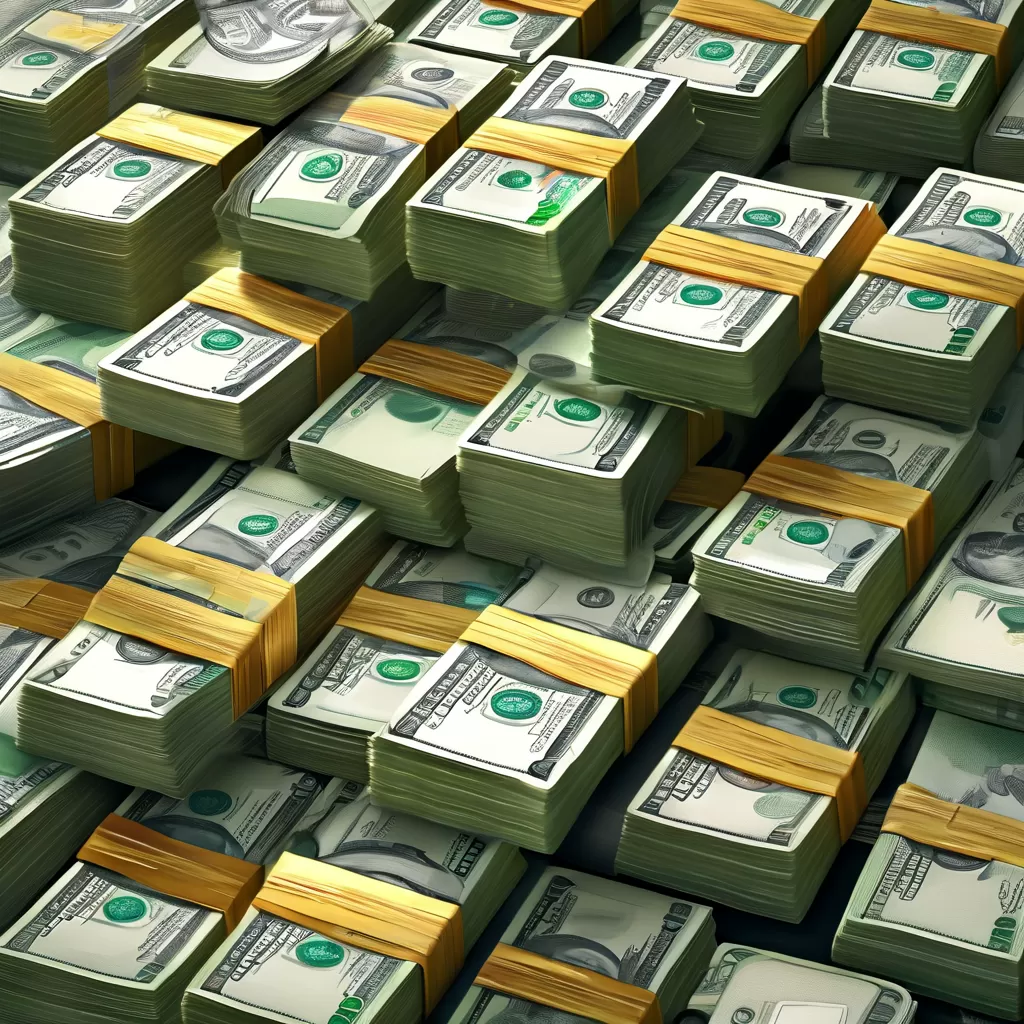
4. Micro-Printing: Tiny text lines or patterns are often incorporated into banknotes. These are challenging to reproduce clearly and are best checked using a magnifying glass. Look for text around portraits, security threads, or in designated areas like the US $50 bill’s border. CS.MONEY: Your Fast, Secure Way to Trade CS:GO & CS2 Skins
5. Tactile Features: Genuine banknotes often have raised printing, particularly around the borders and sometimes featuring the main portrait or denomination. This provides a tactile feel unique to authentic currency, which counterfeiters often struggle to perfectly replicate. Hold the note carefully between your fingers and thumb to feel these raised areas. The Ultimate Guide to Creating Realistic Movie Money
6. Optically Variable Devices (OVDs): These are sophisticated security elements that change appearance with the angle of view or the application of light. Examples include the large and small USA symbols on the $100 bill, the USATM Shield on the $50 bill, and various intaglio printing elements. These require careful scrutiny under normal light conditions.
7. Denomination Numerals: The large numeral representing the bill’s value (e.g., $10, €500) is typically printed using intaglio printing, meaning it is etched into the printing plate and raised on the surface. This results in a distinct embossed feel and appearance, especially noticeable by running fingers over the numeral.
How to Identify Potential Counterfeit Money: A Step-by-Step Guide
When verifying a banknote, systematically check each security feature against the genuine note. Compare the suspect note to a legitimate example you possess or reference online. Pay close attention to details and the overall feel of the note.
Examine the Paper Quality: Genuine banknotes are made from specific high-quality paper that feels distinct from regular paper. It is typically slightly thicker and has a unique texture. Counterfeit paper often feels thinner, smoother, or has an unusual texture.
Check for Misalignments or Off-Set Printing: Counterfeiters often struggle with precise alignment of printed elements. Look for slight misalignments between the portrait, background designs, text, and security features. Genuine notes have perfectly aligned elements. Also, check for off-set printing, where ink smudges or ghost images appear outside the main print area. **Rocket Money Login: Secure & Easy Access to Your Financial Dashboard**
Inspect for Faded Areas or Smudges: Authentic banknotes are printed uniformly and should not have significant fading, smudging, or ink bleeding, especially on key security features. Counterfeits might show signs of wear or damage, or the ink may appear poorly applied.

Look for Inconsistent Colors or Tones: Pay attention to the color consistency across the note. Genuine notes use specific color palettes and gradients. Counterfeits might exhibit uneven colors, incorrect color tones, or areas that look “off” compared to the official note.
Verify the Portrait and Other Graphics: Compare the portrait of the designated individual (e.g., Ben Franklin on the $100 bill) with an official image. Note the details – hair texture, clothing, facial features. Counterfeits often have recognizable errors or lack the fine detail. Also, examine intricate background patterns (like the vignettes in US currency) for accuracy and sharpness.
Utilize Magnification: Don’t rely on your naked eye alone. Use a hand-held magnifying glass (at least 10x power is recommended) to scrutinize details. Look for micro-printing, fine lines, and textures. Counterfeits often fail to reproduce these details clearly.
Leverage UV Light (If Available): Many banknotes incorporate ultraviolet (UV) reactive elements invisible under normal light. If you have access to a UV light source, compare the suspect note to a genuine one. Check for specific UV effects mentioned in the security features of the currency you are examining. Not all notes have UV features, so research is key.
Consider Using Authentication Devices: Specialized counterfeit detection pens (ink pens that react to counterfeit fibers in paper) and UV light pens are readily available. While not foolproof and sometimes bypassable, they can provide a quick preliminary check or add another layer of verification.
Protecting Yourself and Your Business: Preventive Measures
Prevention is crucial in the fight against counterfeiting. While being vigilant when receiving payment is important, proactive measures help minimize the risk.
For Individuals: Be aware of your surroundings when handling cash, especially in potentially high-risk environments like parking lots or remote areas. If offered large amounts of cash unexpectedly, seek clarification or request payment via a more secure method. Avoid carrying large amounts of cash unnecessarily. If you suspect a bill is fake, do not spend it or deposit it; return it to the payer or contact authorities.
For Businesses: Implement robust cash handling procedures. Train all cashiers and employees thoroughly on counterfeit detection techniques and provide them with the necessary tools (magnifying glasses, counterfeit pens if budget allows). Consider installing counterfeit detection sensors on registers where large amounts of cash are handled. Vet suppliers of goods and services; unfortunately, some unscrupulous suppliers might provide counterfeit checks or other instruments as payment. Maintain detailed records of all cash transactions. Develop a clear policy on handling suspected counterfeit currency.
Digital Transactions and Checks: While electronic payments significantly reduce the risk of receiving counterfeit physical currency, they are not immune. Be vigilant against counterfeit checks. Verify the signature on checks against the issuer’s registered signature. Check the check number against the issuer’s records. Be cautious of checks with unusual