
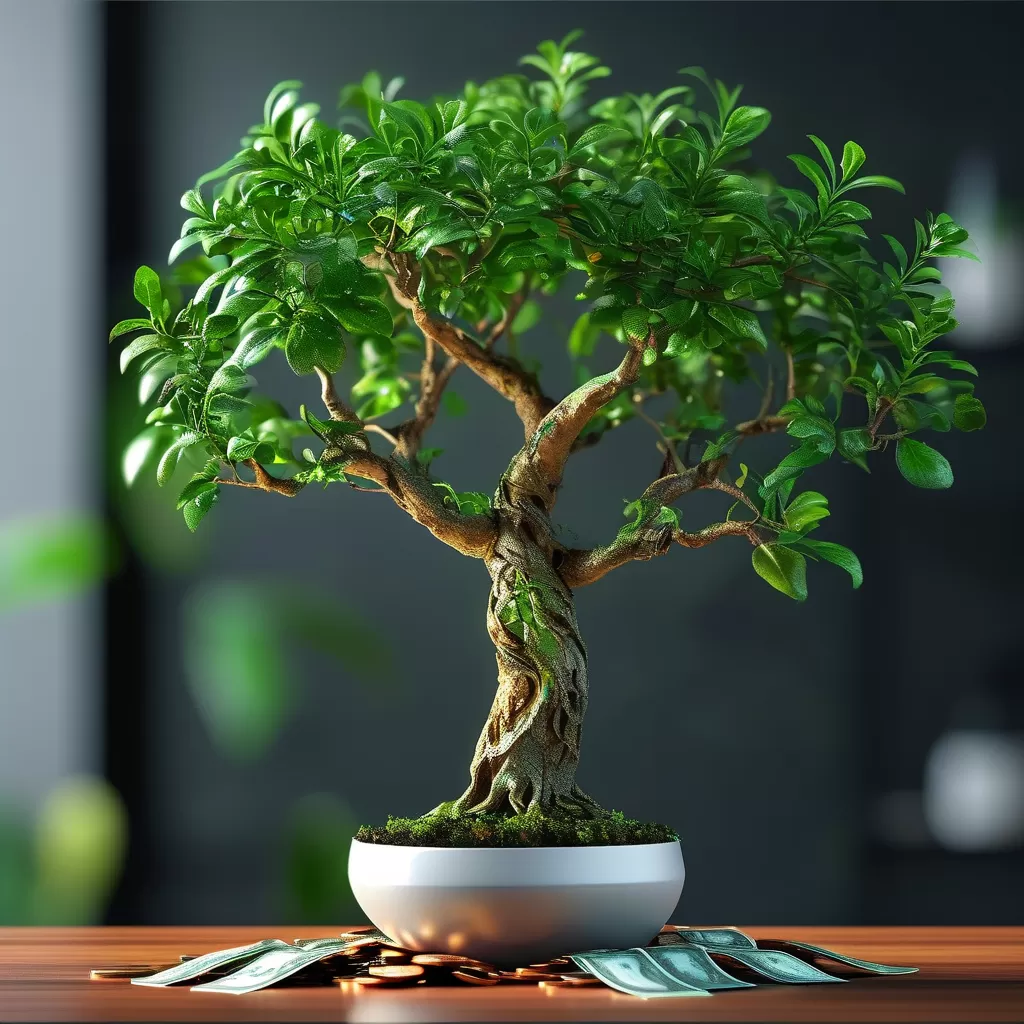
Money Tree Plant: Cultivate Prosperity & Good Luck at Home
Amidst the growing interest in indoor gardening and the desire to create serene, welcoming spaces, few plants have captured the imagination quite like the money tree plant. More than just a decorative addition to your home, this unique specimen, scientifically known as Pachira aquatica, is steeped in symbolism and offers practical benefits for any plant parent. Whether you’re a seasoned gardener or just starting to explore the world of houseplants, the money tree plant is an excellent choice. Its distinctive braided trunk and glossy, deep-green leaves are visually striking, while its reputation for bringing good fortune and prosperity adds a layer of cultural significance that makes it a truly special addition to any living space.

Unveiling the Money Tree Plant: Appearance and Origins
The money tree plant, as its common name suggests, possesses a truly unique and easily recognizable appearance. Native to the tropical rainforests of Central and South America, Pachira aquatica thrives in conditions that mimic its natural habitat. In its native environment, it can grow into a substantial tree, but as a houseplant, it typically develops into a multi-stemmed, woody plant with a distinctive look.
The most striking feature of the money tree is its trunk. Unlike many plants with a single, straight stem, the money tree often has several main trunks that naturally intertwine and braid together as the plant matures. This creates a sturdy, sculptural base that adds significant visual interest. While some cultivars are grown with a single main stem for a more formal look, the braided trunk style is particularly popular and aligns with the plant’s common name.
Emerging from these woody stems are the plant’s leaves. The leaves themselves are compound, meaning they are made up of several smaller leaflets arranged in a circular pattern, or whorl. These leaves are typically a vibrant, deep green, often with a slight sheen or gloss that catches the light. The shape is generally roundish or slightly palmate, resembling a hand spread open, adding to its lush, tropical feel.
One of the reasons the money tree plant is so successful as an indoor plant is its adaptability. It doesn’t have extremely specific light or humidity requirements, making it forgiving for beginners and adaptable to various home environments. Its growth rate is moderate, and it typically produces new leaves readily under suitable conditions.
Cultivating Your Money Tree: Care Guide for Home Success
Bringing a money tree plant into your home is one thing; keeping it thriving requires understanding its basic care needs. While generally robust, providing optimal conditions will ensure your plant grows beautifully and remains healthy for years to come. The good news is that the money tree plant is relatively easy to care for, making it an ideal choice for many households.
Light: Indirect, bright light is the ideal condition for a money tree plant. A spot near a north-facing window or a few feet away from a south-facing window, where it receives several hours of filtered sunlight, is perfect. While it can tolerate lower light levels, this might result in slower growth and fewer new leaves. Avoid placing the plant directly in front of a sunny window during the hottest part of the day, as intense, direct sunlight can scorch the leaves.
Water: Watering is perhaps the most critical aspect of money tree care. These plants prefer to be kept evenly moist but should *never* be allowed to sit in waterlogged soil. Overwatering is a common cause of problems for many houseplants, including root rot. To determine when to water, insert your finger into the soil up to the second joint. If the top inch or two feels dry, it’s time to water. Thoroughly water the plant until water drains freely from the bottom of the pot, then allow the top inch or two of soil to dry out before watering again. During the winter months, when growth slows, reduce watering frequency significantly.
Soil: A well-draining potting mix is essential for the health of your money tree. A standard mix designed for indoor foliage plants usually works well. Ensure the pot has drainage holes to prevent water accumulation. You can improve drainage by incorporating materials like perlite into the mix. **Feng Shui Powerhouse: Grow a Lush Money Plant for Good Fortune**
Temperature and Humidity: Money trees are tropical plants and thrive in temperatures between 65°F (18°C) and 85°F (29°C). They are not cold hardy and should be kept away from drafts, air conditioning vents, and cold windows during winter. While they can tolerate average household humidity levels, they generally appreciate slightly higher humidity. If you notice the leaf edges turning brown or crispy, especially in dry conditions, consider grouping plants together or using a humidity tray to increase moisture in the air.

Feeding: Money trees are moderate feeders. During their active growing season, typically spring and summer, feed them with a balanced, water-soluble houseplant fertilizer diluted to half the recommended strength every 4-6 weeks. Reduce or stop fertilizing in the fall and winter when growth slows down.
Potting and Repotting: Choose a pot with drainage holes and ensure it is only slightly larger than the current pot. Repot your money tree plant every 2-3 years, or when you notice the roots becoming crowded and spilling out of the drainage holes. The best time to repot is in the spring. Gently loosen the root ball, inspect the roots for any rot or pests, trim any damaged roots, and place the plant in its new pot filled with fresh potting mix. Lucky Money Tree: Your Guide to Buying and Plant Care for Prosperity
Pruning: Pruning is not strictly necessary for the money tree plant but can help maintain its shape, encourage bushier growth, and remove any leggy stems. The best time for pruning is in the spring. You can cut back stems at any desired height to control the plant’s size or shape. If you prefer a more compact form, you can prune more aggressively. Always use clean, sharp tools to make clean cuts just above a leaf node (where a leaf attaches to the stem).
Money Tree Symbolism: More Than Just Greenery
The popularity of the money tree plant extends far beyond its attractive appearance and ease of care. It holds deep symbolic meaning in many cultures, particularly in relation to prosperity, good luck, and positive energy. Understanding these symbolic associations can enhance your appreciation for this remarkable plant and encourage you to place it strategically within your home.
Prosperity and Wealth: The money tree plant is perhaps most widely recognized for its association with attracting wealth and financial success. The scientific name, *Pachira aquatica*, translates to “water money tree” in some languages, reinforcing this connection. Its braided trunk is often interpreted as symbolizing strength and the intertwining of financial streams. Many believe placing a money tree in the home or workplace can help draw positive financial energy and opportunities. How to Make Quick Money in One Day [Ultimate Guide]
Good Luck and Protection: Beyond prosperity, the money tree plant is also considered a bringer of good luck and a protector against negative influences. Its presence is thought to create a harmonious and welcoming environment, warding off bad luck and promoting peace of mind. This makes it a popular choice for homes and offices seeking a sense of security and positive vibes.
Friendship and Connection: There’s another layer of symbolism associated with the money tree. Gifting a money tree plant is often said to strengthen bonds of friendship and promote harmony among those involved. Its lush, welcoming foliage is seen as a gesture of goodwill and support.
Stability and Support: The sturdy, multi-stemmed nature of the money tree plant contributes to its symbolism of stability and support. It represents resilience and the ability to stand firm against challenges, making it a powerful talisman for those navigating difficult times.
Integrating Money Tree Plant Symbolism: Feng Shui and Placement Tips
For those interested in incorporating the symbolic benefits of the money tree plant into their living space, the principles of Feng Shui offer practical guidance on placement. Feng Shui, an ancient Chinese practice focused on arranging the environment to enhance positive energy flow (Qi), often recommends specific locations for plants believed to attract prosperity.
Feng Shui Prosperity Corner: According to Feng Shui principles, the southeast corner of a home or office is associated with wealth and abundance. Placing a healthy, thriving money tree plant in this corner is believed to channel positive financial energy into the space.
Display and Visibility: To maximize its symbolic impact, place your money tree plant where it can be easily seen and appreciated by others. This reinforces the intention and belief surrounding its placement. A prominent spot on a desk, a console table in a living room, or near an entryway are all excellent locations.
Height and Placement: While a smaller money tree plant can be charming, a taller plant is often considered more effective for attracting significant wealth. Place it on a stand or pedestal to elevate it further if desired. Avoid