

Unlocking Wealth: The Phenomenon of Kendrick Lamar’s “Money Trees”
Kendrick Lamar’s discography is a complex tapestry woven with threads of personal struggle, societal critique, and profound artistic evolution. Within this rich collection, few tracks possess the immediate, visceral impact and enduring cultural resonance of “Money Trees.” Released in 2012 as part of his major-label debut, Good Kid, M.A.A.D City, the song, featuring Jay Rock, stands as a powerful, albeit often misunderstood, anthem of survival, ambition, and the treacherous nature of the pursuit of wealth in the rap game. More than just a hit, “Money Trees” offers a raw snapshot of a young artist navigating the dangerous intersections of fame, fortune, and the systemic pitfalls that often accompany success.
The Genesis and Initial Reception
“Money Trees” emerged during a pivotal moment in Kendrick Lamar’s career. Having already established himself within the West Coast underground scene with projects like Section.80 and Over There, GKMC marked his arrival on the mainstream stage. The album itself was conceived as a narrative journey through the birthplace of Lamar’s character, Doughboy, grappling with violence, poverty, and the moral compromises demanded by street life before turning towards music.
The single “Money Trees,” while not the album’s most overtly violent track, perfectly encapsulated the duality Lamar presented. Its infectious, pulsating beat, produced by Damien Patton, became an instant club staple. However, the song’s lyrical content offered a stark contrast to its upbeat production. Lamar and Jay Rock vividly depict the ruthlessness required to climb the ladder of success in the rap industry, painting a picture of a world where survival necessitates shedding one’s humanity and embracing calculated, often predatory, behavior.
Initial reactions were mixed. Some critics and listeners appreciated the song’s raw depiction of ambition and the necessary evils of the industry. Others found the explicit themes and the perceived lack of warmth compared to Lamar’s earlier, more introspective work jarring. Yet, it quickly gained traction, becoming one of the standout tracks from GKMC and a significant factor in the album’s critical and commercial success. Its music video, directed by Dave Meyers, further amplified its reach, showcasing the glamorous yet precarious lifestyle the song envisions.
A Deep Dive into the Lyrics and Themes
At its core, “Money Trees” is a song about the perverse logic of wealth accumulation in a system often rigged against the disadvantaged. Lamar and Jay Rock don’t shy away from detailing the brutal cost of getting ahead. The title itself is a potent metaphor – a “Money Tree” represents a source of illicit or predatory wealth, a tree bearing fruit (money) only through exploitation or violence.
The lyrics are steeped in street wisdom and cautionary tales. Lines like “It’s money that makes the bad man good” immediately subvert expectations, suggesting that financial power can be a corrupting and transforming force. This isn’t necessarily a condemnation of wealth, but an acknowledgment of its power to change allegiances and alter one’s moral compass. The line “Make you forget that you was broke” highlights the allure and the psychological shield money provides against past hardships.
Collaboration is another key theme. The feature from Jay Rock, a fellow West Coast rapper known for his own ruthless street credibility (“Gangsta”, “Blame It”), was a masterstroke. Their verses complement each other, Jay Rock often stepping into the role of the ruthless operator, while Kendrick offers a slightly more nuanced, observational take. The dynamic between the two artists showcases their individual strengths and their ability to understand and articulate the harsh realities of their environment.
However, beneath the surface-level themes of wealth and violence lies a deeper layer. Kendrick Lamar has often spoken about the duality inherent in his character, the “Doughboy” persona representing both the aspirational self and the harsh realities he witnessed growing up in Compton. “Money Trees” captures the essence of this duality – the desire for the wealth and status represented by the “Money Tree” coexisting with the knowledge of its poisonous nature. It’s a song about survivalism and the necessary compromises one might make, even if those compromises are morally ambiguous.
Legacy, Impact, and Enduring Relevance
Since its release over a decade ago, “Money Trees” has cemented its place in hip-hop history. It was a critical component in establishing Kendrick Lamar as a leading voice in contemporary rap, distinct from his contemporaries. The track’s success demonstrated that complex narratives and hard-hitting realism could coexist with mainstream appeal. What Does Kendrick Lamar’s “Money Trees” Really Mean?
The song’s exploration of wealth’s corrupting influence remains strikingly relevant. As the music industry, particularly streaming, has evolved, the dynamics of success have changed, but the underlying pressures and temptations haven’t disappeared. Kendrick’s early grappling with these themes anticipated the broader societal conversations about wealth inequality and the moral compromises demanded by elite status that would gain prominence in his later work, such as the TMK era.
Furthermore, Kendrick Lamar’s subsequent evolution as an artist hasn’t diminished the impact of “Money Trees.” Tracks like “u,” “DNA.”, and even the introspective moments on Mr. Morale & The Big Steppers show his continued exploration of wealth, fame, and mental health. “Money Trees” serves as a foundational piece, representing a specific, potent moment in his journey from raw street narrative to global artistic icon. The Secret Wealth and Success Code in Kendrick Lamar’s “Money Trees
The song’s enduring popularity is also evident in its streaming numbers and continued cultural chatter. Its inclusion on deluxe editions of albums and even surprise releases like the 2024 album GNX further underscores its significance to Kendrick’s artistic identity. Jay Rock’s performance on the track remains legendary, showcasing his own unique contribution to the West Coast sound and solidifying his status as a formidable rapper in his own right.
It’s also worth noting the song’s influence on production and lyrical styles. The beat template, characterized by its heavy 808s, driving rhythm, and atmospheric synth lines, has been widely sampled and emulated. Kendrick’s specific phrasing and delivery on the track, particularly lines like “Just got no Kool-Aid, no sweet tea, no lemonade,” became instantly recognizable. Kendrick Lamar’s ‘Money Trees’: Exploring the Wealth, Power, and Secrets in the Iconic Track
Conclusion: Wealth, Survival, and the Price of Power
Kendrick Lamar’s “Money Trees,” despite its often dark subject matter, is far more than a simple ode to greed. It’s a complex portrayal of ambition, survival, and the seductive, dangerous allure of power and wealth in the unforgiving landscape of the rap industry. Released as a crucial statement of intent on Kendrick’s part, the song perfectly encapsulated the duality of the young artist navigating fame.
While its upbeat production might initially mask the underlying themes, the lyrics offer a stark, unflinching look at the compromises required to achieve success in a system often predicated on exploitation. The powerful feature from Jay Rock added another layer of credibility and showcased the collaborative dynamic that would define much of Kendrick’s subsequent success. The song’s enduring legacy speaks to its prescient exploration of wealth’s complexities and its role in shaping Kendrick Lamar’s identity as one of the most important and thought-provoking artists of our time.
Ultimately, “Money Trees” remains a fascinating study in contradiction. It’s a song about acquiring wealth, but one that acknowledges the potential cost. It’s celebratory in its sonic execution but cautionary in its narrative. It helped launch Kendrick Lamar into the mainstream but also revealed his continued commitment to unflinching storytelling. For listeners seeking to truly understand the forces shaping one of hip-hop’s most compelling figures, delving into the intricate layers of “Money Trees” is an essential journey.
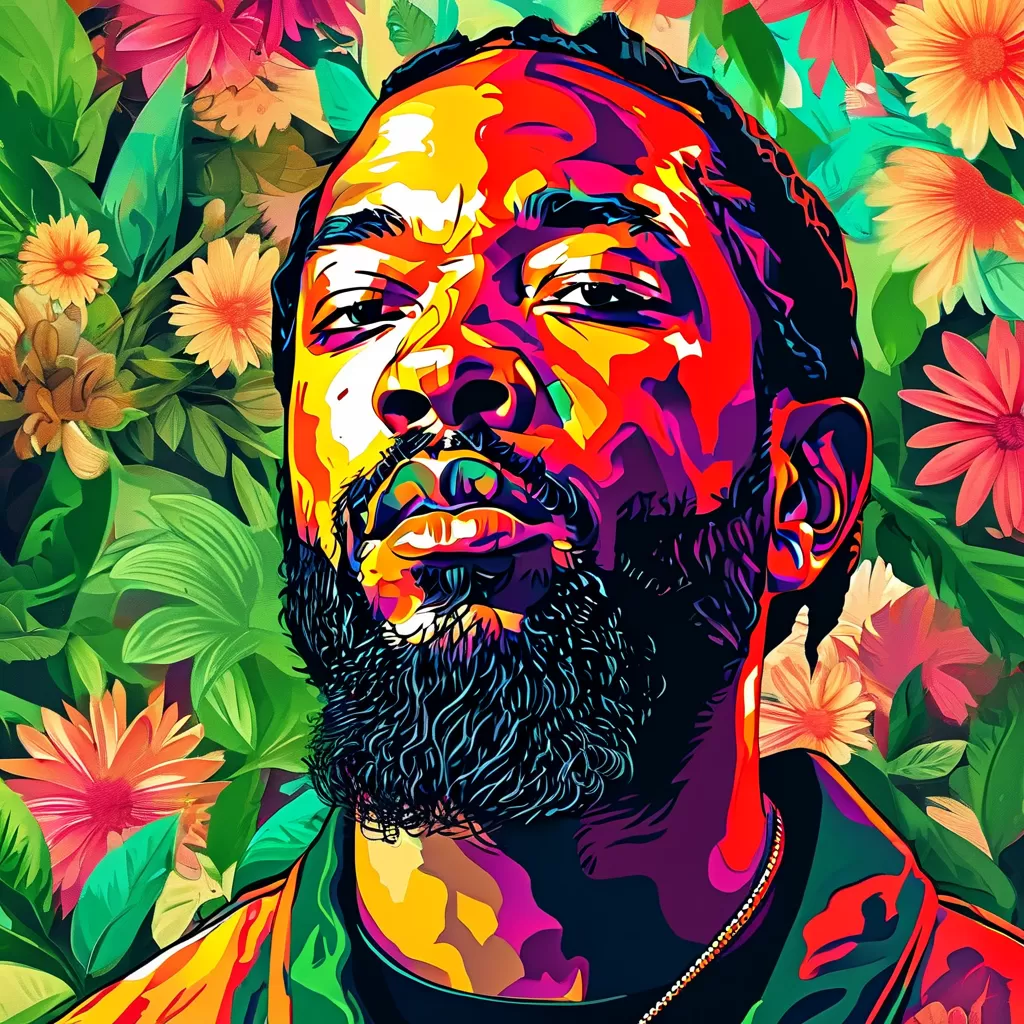
Explore the cultural impact and lyrical depth of Kendrick Lamar’s “Money Trees” further in our detailed analysis.